TGF-beta/Smad inhibitors/activators

TGF-beta/Smad inhibitors are a class of molecular agents designed to modulate the transforming growth factor-beta (TGF-β)/Smad signaling cascade, one of the most evolutionarily conserved and functionally pleiotropic pathways in eukaryotic cells. Over the past three decades, research into these inhibitors has exploded, driven by the pathway’s dual role in tissue homeostasis and disease pathogenesis—acting as a tumor suppressor in early-stage cancer while promoting metastasis and drug resistance in advanced malignancies, and mediating excessive extracellular matrix (ECM) deposition in fibrotic disorders. This review focuses on the scientific underpinnings of TGF-beta/Smad inhibitors, their molecular targeting strategies, preclinical efficacy in disease models, and emerging challenges in translational research.

  • All (48)
  • TGF-beta/Smad Inhibitors (39)
  • TGF-beta/Smad Activators (4)
  • TGF-beta/Smad Agonists (3)
  • TGF-beta/Smad Modulators (2)
  • New TGF-beta/Smad Products
Cat.No. Product Name Information Product Use Citations Product Validations
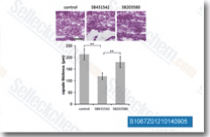
S1067 SB431542 SB431542 is a potent and selective inhibitor of ALK5 with IC50 of 94 nM in a cell-free assay, 100-fold more selective for ALK5 than p38 MAPK and other kinases.
Nat Biotechnol, 2025, 10.1038/s41587-025-02833-3
Signal Transduct Target Ther, 2025, 10(1):271
Cell Stem Cell, 2025, S1934-5909(25)00330-3
Verified customer review of SB431542
S7306 Dorsomorphin Dihydrochloride Dorsomorphin 2HCl is a potent, reversible, selective AMPK inhibitor with Ki of 109 nM in cell-free assays, exhibiting no significant inhibition of several structurally related kinases including ZAPK, SYK, PKCθ, PKA, and JAK3. Also inhibits type Ⅰ BMP receptor activity. Dorsomorphin induces autophagy in cancer cell line.
J Clin Invest, 2025, e190215
Redox Biol, 2025, 81:103532
Redox Biol, 2025, 82:103606
Verified customer review of Dorsomorphin Dihydrochloride
S7840 Dorsomorphin Dorsomorphin is a potent, reversible, selective AMPK inhibitor with Ki of 109 nM in cell-free assays, exhibiting no significant inhibition of several structurally related kinases including ZAPK, SYK, PKCθ, PKA, and JAK3. Dorsomorphin selectively inhibits the BMP type I receptors ALK2, ALK3 and ALK6. Dorsomorphin is used in promoting specific cell differentiation and inducing cancer cell line autophagy. For cell testing, the water-soluble S7306 Dorsomorphin (Compound C) 2HCl is recommended.
Theranostics, 2025, 15(12):5931-5952
EMBO Mol Med, 2025, 17(10):2735-2761
Stem Cell Res Ther, 2025, 16(1):104
Verified customer review of Dorsomorphin
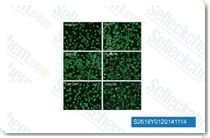
S2618 LDN-193189 LDN-193189 (DM3189) is a selective BMP signaling inhibitor, inhibits the ALK1, ALK2, ALK3 and ALK6 with IC50s of 0.8 nM, 0.8 nM, 5.3 nM and 16.7 nM in the kinase assay, respectively. LDN-193189 inhibits the transcriptional activity of the BMP type I receptors ALK2 and ALK3 with IC50s of 5 nM and 30 nM in C2C12 cells, respectively, exhibits 200-fold selectivity for BMP versus TGF-β. For cell testing, the water-soluble S7507 LDN-193189 2HCl is recommended.This product has poor solubility, animal experiments are available, cell experiments please choose carefully!
Cell Metab, 2025, S1550-4131(25)00334-1
Nat Commun, 2025, 16(1):4432
Theranostics, 2025, 15(14):7127-7153
Verified customer review of LDN-193189
S2230 Galunisertib (LY2157299) Galunisertib (LY2157299) is a potent TGFβ receptor I (TβRI) inhibitor with IC50 of 56 nM in a cell-free assay. Phase 2/3.
Signal Transduct Target Ther, 2025, 10(1):257
Exp Mol Med, 2025, 57(6):1324-1338
Biochem Pharmacol, 2025, 240:117082
Verified customer review of Galunisertib (LY2157299)
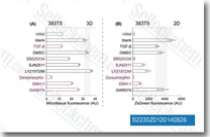
S2704 LY2109761 LY2109761 is a novel selective TGF-β receptor type I/II (TβRI/II) dual inhibitor with Ki of 38 nM and 300 nM in a cell-free assay, respectively; shown to negatively affect the phosphorylation of Smad2. This compound blocks autophagy and induces apoptosis.
J Tissue Eng, 2025, 16:20417314251376104
Cancer Metab, 2025, 13(1):3
iScience, 2025, 28(2):111756
Verified customer review of LY2109761
S1476 SB525334 SB525334 is a potent and selective inhibitor of TGFβ receptor I (ALK5) with IC50 of 14.3 nM in a cell-free assay, 4-fold less potent to ALK4 than ALK5 and inactive to ALK2, 3, and 6.
J Control Release, 2025, S0168-3659(25)00029-X
Commun Biol, 2025, 8(1):152
Sci Rep, 2025, 15(1):25926
Verified customer review of SB525334
S7507 LDN-193189 Dihydrochloride LDN-193189 (DM3189) 2HCl is a selective BMP signaling inhibitor, inhibits the ALK1, ALK2, ALK3 and ALK6 with IC50s of 0.8 nM, 0.8 nM, 5.3 nM and 16.7 nM in the kinase assay, respectively. LDN-193189 inhibits the transcriptional activity of the BMP type I receptors ALK2 and ALK3 with IC50s of 5 nM and 30 nM in C2C12 cells, respectively, exhibits 200-fold selectivity for BMP versus TGF-β.
Nat Commun, 2025, 16(1):5543
Adv Sci (Weinh), 2025, 12(2):e2406509
Adv Healthc Mater, 2025, e04817.
Verified customer review of LDN-193189 Dihydrochloride
S7959 SIS3 HCl SIS3, a novel specific inhibitor of Smad3, inhibits TGF-β and activin signaling by suppressing Smad3 phosphorylation without affecting the MAPK/p38, ERK, or PI3-kinase signaling pathways.
Int J Biol Sci, 2025, 21(13):5922-5935
EMBO Rep, 2025, 26(12):3162-3186
Commun Biol, 2025, 8(1):471
Verified customer review of SIS3 HCl
S7223 RepSox (E-616452) RepSox (E-616452, SJN 2511, ALK5 Inhibitor II) is a potent and selective inhibitor of the TGFβR-1/ALK5 with IC50 of 23 nM and 4 nM for ATP binding to ALK5 and ALK5 autophosphorylation in cell-free assays, respectively.
Cell, 2025, S0092-8674(25)00807-4
Cell Metab, 2025, S1550-4131(25)00334-1
Trends Biotechnol, 2025, 43(8):2029-2048
Verified customer review of RepSox (E-616452)
S2805 LY364947 LY364947 (HTS 466284) is a potent ATP-competitive inhibitor of TGFβR-I with IC50 of 59 nM in a cell-free assay, shows 7-fold selectivity over TGFβR-II.
Adv Sci (Weinh), 2024, 11(4):e2304987
Cell Rep Med, 2024, 5(2):101416
Cell Commun Signal, 2024, 22(1):242
Verified customer review of LY364947
S2907 Pirfenidone Pirfenidone is an inhibitor for TGF-β production and TGF-β stimulated collagen production, reduces production of TNF-α and IL-1β, and also has anti-fibrotic and anti-inflammatory properties. Pirfenidone attenuates chemokine (CC motif) ligand-2 (CCL2) and CCL12 production with anti-fibrotic activity. Phase 3.
Biomed Pharmacother, 2025, 188:118216
Eur Respir J, 2024, 2300580
Phytomedicine, 2024, 135:156051
Verified customer review of Pirfenidone
S7146 DMH1 DMH1 is a selective BMP receptor inhibitor with IC50 of 107.9 nM for ALK2, exhibiting no inhibition on AMPK, ALK5, KDR (VEGFR-2) or PDGFR. This compound inhibits autophagy.
Cell Stem Cell, 2025, S1934-5909(25)00081-5
J Adv Res, 2025, S2090-1232(25)00553-3
Commun Biol, 2025, 8(1):1177
Verified customer review of DMH1
S2186 SB505124 SB505124 is a selective inhibitor of TGFβR for ALK4, ALK5 with IC50 of 129 nM and 47 nM in cell-free assays, respectively, also inhibits ALK7, but does not inhibit ALK1, 2, 3, or 6.
Cell Rep, 2025, 44(5):115675
Calcif Tissue Int, 2025, 116(1):57
Heliyon, 2024, 10(20):e39475
Verified customer review of SB505124
S2750 GW788388 GW788388 is a potent and selective inhibitor of ALK5 with IC50 of 18 nM in a cell-free assay, also inhibits TGF-β type II receptor and activin type II receptor activities, but does not inhibit BMP type II receptor.
Mol Carcinog, 2024, 10.1002/mc.23715
J Biol Chem, 2023, 299(4):103017
proquest, 2023,
Verified customer review of GW788388
S7692 A-83-01 A-83-01 is a potent inhibitor of TGF-β type I receptor (ALK5-TD) with IC50 of 12 nM. This compound also inhibits the transcription induced by activin/nodal type I receptor (ALK4-TD) and nodal type I receptor (ALK7-TD) with IC50 of 45 nM and 7.5 nM, respectively.Solutions are unstable and should be fresh-prepared.
Cell, 2025, S0092-8674(25)00807-4
Nat Genet, 2025, 57(1):165-179
S7359 K02288 K02288 is a potent, and selective type I BMP receptor inhibitor with IC50 of 1.1, 1.8, 6.4 nM for ALK2, ALK1 and ALK6, showing weaker inhibition on other ALKs (3, 4, 5) and ActRIIA.
FEBS J, 2024, 291(2):272-291
J Neurooncol, 2024, 10.1007/s11060-024-04625-2
Nat Commun, 2022, 13(1):2844
Verified customer review of K02288
S7624 SD-208 SD-208 is a selective TGF-βRI (ALK5) inhibitor with IC50 of 48 nM, >100-fold selectivity over TGF-βRII.
J Cancer, 2024, 15(9):2448-2459
JCI Insight, 2023, 8(3)e166688
Cancers (Basel), 2023, 10.3390/cancers15205086
S7530 Vactosertib (TEW-7197) Vactosertib  (TEW-7197, EW-7197) is a highly potent, selective, and orally bioavailable TGF-β receptor ALK4/ALK5 inhibitor with IC50 of 13 nM and 11 nM, respectively. Phase 1.
Nat Commun, 2024, 15(1):7388
Cells, 2024, 13(10)879
Verified customer review of Vactosertib (TEW-7197)
S1576 Sulfasalazine Sulfasalazine is a sulfa derivative of mesalazine, used as an anti-inflammatory agent to treat bowel disease and rheumatoid arthritis. This compound is a potent and specific inhibitor of nuclear factor kappa B (NF-κB), TGF-β and COX-2. It induces ferroptosis, apoptosis and autophagy.
Med Oncol, 2024, 41(8):188
Adv Sci (Weinh), 2023, 10(20):e2300517
Proc Natl Acad Sci U S A, 2022, 119(36):e2117396119
S3552 SIS3 SIS3 is a cell-permeable inhibitor of Smad3 that selectively inhibits TGF-β1-dependent Smad3 phosphorylation and Smad3-mediated cellular signaling. This compound reduces TGF-β1-induced type 1 procollagen expression and myofibroblast differentiation in normal dermal fibroblasts as well as scleroderma fibroblasts.
J Virol, 2025, 99(9):e0043525
Life Sci Alliance, 2024, 7(6)e202302408
Front Bioeng Biotechnol, 2023, 11:1281157
S7658 Kartogenin Kartogenin (KGN) is an activator of the smad4/smad5 pathway, and promotes the selective differentiation of multipotent mesenchymal stem cells into chondrocytes.
Sci Rep, 2024, 14(1):15022
Pharmaceutics, 2023, 15(7)1949
Int J Mol Sci, 2022, 24(1)390
S6713 ITD-1 ITD-1 is a potent TGF-β inhibitor. It does not block the kinase activity of either type I (TGFBR1) or type II (TGFBR2) TGFβ receptors but potently blocks phosphorylation of the effector SMAD2/3 proteins induced by TGFβ2, and only minimally in response to Activin A.
World J Gastrointest Oncol, 2025, 17(1):97831
Redox Biol, 2024, 76:103349
Cell Oncol (Dordr), 2024, 10.1007/s13402-024-00989-9
S8144 Halofuginone Halofuginone (RU-19110) is the competitively inhibitor of prolyl-tRNA synthetase with Ki of 18.3 nM.It could also down-regulate Smad3 and blocked TGF-β signaling at 10 ng/ml in mammal.
Sci Adv, 2025, 11(28):eadw1883
Cell Rep, 2024, 43(9):114728
J Neurochem, 2024, 10.1111/jnc.16102
S7147 LDN-212854 LDN-212854 (BMP Inhibitor III) is a potent and selective BMP receptor inhibitor with IC50 of 1.3 nM for ALK2, about 2-, 66-, 1641-, and 7135-fold selectivity over ALK1, ALK3, ALK4, and ALK5, respectively.
EMBO Rep, 2024, 25(7):3090-3115
Am J Pathol, 2023, S0002-9440(23)00047-0
Am J Pathol, 2023, 193(5):532-547
S8772 LY 3200882 LY 3200882 is a potent, highly selective inhibitor of TGF-β receptor type 1 (TGFβRI). It potently inhibits TGFβ mediated SMAD phosphorylation in vitro in tumor and immune cells and in vivo in subcutaneous tumors in a dose dependent fashion.
J Inflamm Res, 2021, 14:2897-2911
Pediatr Rheumatol Online J, 2021, 19(1):72
Br J Cancer, 2020, 10.1038/s41416-020-01040-y
S7148 ML347 ML347 (LDN-193719) is a selective BMP receptor inhibitor with IC50 of 32 nM for ALK2, >300-fold selectivity over ALK3. This compound also inhibits ALK1 activity with IC50 of 46 nM.
Development, 2022, 149(20)dev192310
Biomolecules, 2020, 10(4)E519
Biomolecules, 2020, 29;10(4) pii: E519
S8700 TP0427736 HCl TP0427736 is a potent inhibitor of ALK5 kinase activity with an IC50 of 2.72 nM and this effect is 300-fold higher than the inhibitory effect on ALK3 (IC50 = 836 nM for ALK3). It also inhibits Smad2/3 phosphorylation in A549 cells induced by TGF-β1 with an IC50 value of 8.68 nM.
Commun Biol, 2023, 6(1):824
Nutrients, 2023, 16(1)64
Int J Mol Sci, 2023, 24(19)14444
S6654 SRI-011381 (C381) SRI-011381 (C381), a novel agonist of the TGF-beta signaling pathway for treatment of Alzheimer's disease, physically targets the lysosome, promotes lysosomal acidification, increases breakdown of lysosomal cargo, and improves lysosome resilience to damage.
Noncoding RNA Res, 2025, 13:1-14
SLAS Technol, 2024, 29(5):100190
Dis Model Mech, 2022, dmm.046979
S7627 LDN-214117 LDN-214117 is a potent and selective BMP type I receptor kinase ALK2 inhibitor with IC50 of 24 nM.
Cancer Res, 2024, 10.1158/0008-5472.CAN-23-2631
bioRxiv, 2023, 2023.06.14.544941
FASEB J, 2021, 35(3):e21263
S2308 Hesperetin Hesperetin is a bioflavonoid and, to be more specific, a flavanone.
J Transl Med, 2024, 22(1):208
Sci Rep, 2022, 12(1):7
Front Pharmacol, 2021, 12:735087
S7914 Isoxazole 9 (ISX-9) Isoxazole 9 (ISX-9) is a synthetic promotor of adult neurogenesis by triggering neuronal differentiation of adult neural stem/precursor cells (NSPCs). This compound activates multiple pathways including TGF-β induced epithelial–mesenchymal transition (EMT) signaling, canonical and non-canonical Wnt signaling at different stages of cardiac differentiation.
iScience, 2025, 28(3):112015
Front Cell Dev Biol, 2025, 13:1513163
Cell Regen, 2025, 14(1):18
S8318 Alantolactone Alantolactone, a naturally occurring eudesmane-type sesquiterpene lactone (SL), could induce activin/SMAD3 signaling and disrupt Cripto-1/activin receptor type II A interaction.
Molecules, 2024, 29(8)1866
Nat Commun, 2022, 13(1):107
Verified customer review of Alantolactone
E2394 TGFβRI-IN-3 TGFβRI-IN-3 represents a highly selective TGFβR1 inhibitor that has potential applications in immuno-oncology, inhibits TGFβR1 at an IC50 of 0.79 nM with 2000-fold selectivity against MAP4K4.
Nutrients, 2024, 16(17)2991
JCI Insight, 2023, e161563
S5183 PD 169316 PD 169316 is a potent, selective and cell-permeable p38 MAP kinase inhibitor with IC50 of 89 nM. PD169316 abrogates signaling initiated by both TGFbeta and Activin A. PD169316 shows antiviral activity against Enterovirus71.
J Dairy Sci, 2025, S0022-0302(25)00833-1
PLoS One, 2021, 16(5):e0252541
S3223 L-Quebrachitol L-Quebrachitol (L-QCT), a natural product isolated from many plants, promotes proliferation and cell DNA synthesis. This compound upregulates bone morphogenetic protein-2 (BMP-2) and runt-related transcription factor-2 (Runx2) and regulatory genes associated with mitogen-activated protein kinase (MAPK) and Wnt/β-catenin signaling pathway, while down-regulating the receptor activator of the nuclear factor-κB(NF-κB) ligand (RANKL) mRNA level.
E4798New SRI-011381 hydrochloride SRI-011381 hydrochloride is an agonist of the transforming growth factor-beta (TGF-β) signalling pathway and exhibits neuroprotective effects with the potential to treat Alzheimer's disease. It also increases fibronectin expression in the NIH‐3T3 cells stimulated by metformin.
E4432 3,3-Dimethyl-1-butanol 3,3-Dimethyl-1-butanol (Neohexanol) is an orally active inhibitor of trimethylamine (TMA) and trimethylamine N-oxide (TMAO). 3,3-dimethyl-1-butanol negatively inhibits the signalling pathways of p65 NF-κB and  TGF-β1/Smad3. 3,3-dimethyl-1-butanol has potential applications in cardiovascular disease (CVD).
S0523 SB 4 SB 4 is a potent and selective agonist of bone morphogenetic protein 4 (BMP4) signaling with EC50 of 74 nM. This compound enhances canonical BMP signaling and activates SMAD-1/5/9 phosphorylation. As an agonist of the BMP signaling pathway, this chemical can significantly upregulate the expression levels of classical BMP4 downstream target genes (such as DNA binding inhibitors Id1 and Id3).
E3859 Lycopus Extract Lycopus Extract is extracted from Lycopus, which ameliorate podocytes injury by inhibiting TGF-β signaling pathway.
S0752 AUDA AUDA (compound 43) is a potent inhibitor of soluble epoxide hydrolase (sEH) with IC50 of 18 nM and 69 nM for the mouse sEH and human sEH, respectively. This compound has anti-inflammatory activity that reduces the protein expression of MMP-9, IL-1β, TNF-α and TGF-β. It downregulates Smad3 and p38 signaling pathways.
S2234 BIBF-0775 BIBF-0775 is a selective inhibitor of transforming growth factor β Receptor I (TGFβRI,Alk5) with an IC50 of 34nM.
E0769 Ginsenoside Rh4 Ginsenoside Rh4 is an important active ingredient of traditional Chinese medicine ginseng, which has been shown to inhibit Wnt/β-Catenin, JAK2/STAT3, TGF-β/Smad2/3 and other signaling pathways.
S0153 SJ000291942 SJ000291942 is a canonical bone morphogenetic proteins (BMP) signaling pathway activator.
E6646New BMS-986260 BMS-986260 is an orally active immuno-oncology agent that inhibits TGFβR1 with an IC50 of 1.6 nM. It shows selectivity for TGFβR1 compared to TGFβR2 and over 200 other kinases. In MINK and NHLF cell lines, BMS-986260 blocks TGFβ-induced pSMAD2/3 nuclear translocation with IC50 values of 350 nM and 190 nM, respectively.
S7710 R-268712 R-268712 is a potent and selective inhibitor of ALK5 with an IC50 of 2.5 nM.
Kidney360, 2025, 10.34067/KID.0000000852
E1785 PF-06952229 PF-06952229(UNII-1KKS7U3X86) is a selective, orally available inhibitor of the serine/threonine kinase TGF-β receptor 1 (TGF-β-R1). It inhibits pSMAD2 in both tumor and immune cells, reducing TGF-β signalling and reversing EMT in vitro. It modulates the tumor immune microenvironment and shows antitumor activity in mouse models.
S6807 TA-02 TA-02 is a p38 MAPK inhibitor with IC50 of 20 nM. This compound especially inhibits TGFBR-2.
S1067 SB431542 SB431542 is a potent and selective inhibitor of ALK5 with IC50 of 94 nM in a cell-free assay, 100-fold more selective for ALK5 than p38 MAPK and other kinases.
Nat Biotechnol, 2025, 10.1038/s41587-025-02833-3
Signal Transduct Target Ther, 2025, 10(1):271
Cell Stem Cell, 2025, S1934-5909(25)00330-3
Verified customer review of SB431542
S7306 Dorsomorphin Dihydrochloride Dorsomorphin 2HCl is a potent, reversible, selective AMPK inhibitor with Ki of 109 nM in cell-free assays, exhibiting no significant inhibition of several structurally related kinases including ZAPK, SYK, PKCθ, PKA, and JAK3. Also inhibits type Ⅰ BMP receptor activity. Dorsomorphin induces autophagy in cancer cell line.
J Clin Invest, 2025, e190215
Redox Biol, 2025, 81:103532
Redox Biol, 2025, 82:103606
Verified customer review of Dorsomorphin Dihydrochloride
S7840 Dorsomorphin Dorsomorphin is a potent, reversible, selective AMPK inhibitor with Ki of 109 nM in cell-free assays, exhibiting no significant inhibition of several structurally related kinases including ZAPK, SYK, PKCθ, PKA, and JAK3. Dorsomorphin selectively inhibits the BMP type I receptors ALK2, ALK3 and ALK6. Dorsomorphin is used in promoting specific cell differentiation and inducing cancer cell line autophagy. For cell testing, the water-soluble S7306 Dorsomorphin (Compound C) 2HCl is recommended.
Theranostics, 2025, 15(12):5931-5952
EMBO Mol Med, 2025, 17(10):2735-2761
Stem Cell Res Ther, 2025, 16(1):104
Verified customer review of Dorsomorphin
S2618 LDN-193189 LDN-193189 (DM3189) is a selective BMP signaling inhibitor, inhibits the ALK1, ALK2, ALK3 and ALK6 with IC50s of 0.8 nM, 0.8 nM, 5.3 nM and 16.7 nM in the kinase assay, respectively. LDN-193189 inhibits the transcriptional activity of the BMP type I receptors ALK2 and ALK3 with IC50s of 5 nM and 30 nM in C2C12 cells, respectively, exhibits 200-fold selectivity for BMP versus TGF-β. For cell testing, the water-soluble S7507 LDN-193189 2HCl is recommended.This product has poor solubility, animal experiments are available, cell experiments please choose carefully!
Cell Metab, 2025, S1550-4131(25)00334-1
Nat Commun, 2025, 16(1):4432
Theranostics, 2025, 15(14):7127-7153
Verified customer review of LDN-193189
S2230 Galunisertib (LY2157299) Galunisertib (LY2157299) is a potent TGFβ receptor I (TβRI) inhibitor with IC50 of 56 nM in a cell-free assay. Phase 2/3.
Signal Transduct Target Ther, 2025, 10(1):257
Exp Mol Med, 2025, 57(6):1324-1338
Biochem Pharmacol, 2025, 240:117082
Verified customer review of Galunisertib (LY2157299)
S2704 LY2109761 LY2109761 is a novel selective TGF-β receptor type I/II (TβRI/II) dual inhibitor with Ki of 38 nM and 300 nM in a cell-free assay, respectively; shown to negatively affect the phosphorylation of Smad2. This compound blocks autophagy and induces apoptosis.
J Tissue Eng, 2025, 16:20417314251376104
Cancer Metab, 2025, 13(1):3
iScience, 2025, 28(2):111756
Verified customer review of LY2109761
S1476 SB525334 SB525334 is a potent and selective inhibitor of TGFβ receptor I (ALK5) with IC50 of 14.3 nM in a cell-free assay, 4-fold less potent to ALK4 than ALK5 and inactive to ALK2, 3, and 6.
J Control Release, 2025, S0168-3659(25)00029-X
Commun Biol, 2025, 8(1):152
Sci Rep, 2025, 15(1):25926
Verified customer review of SB525334
S7507 LDN-193189 Dihydrochloride LDN-193189 (DM3189) 2HCl is a selective BMP signaling inhibitor, inhibits the ALK1, ALK2, ALK3 and ALK6 with IC50s of 0.8 nM, 0.8 nM, 5.3 nM and 16.7 nM in the kinase assay, respectively. LDN-193189 inhibits the transcriptional activity of the BMP type I receptors ALK2 and ALK3 with IC50s of 5 nM and 30 nM in C2C12 cells, respectively, exhibits 200-fold selectivity for BMP versus TGF-β.
Nat Commun, 2025, 16(1):5543
Adv Sci (Weinh), 2025, 12(2):e2406509
Adv Healthc Mater, 2025, e04817.
Verified customer review of LDN-193189 Dihydrochloride
S7959 SIS3 HCl SIS3, a novel specific inhibitor of Smad3, inhibits TGF-β and activin signaling by suppressing Smad3 phosphorylation without affecting the MAPK/p38, ERK, or PI3-kinase signaling pathways.
Int J Biol Sci, 2025, 21(13):5922-5935
EMBO Rep, 2025, 26(12):3162-3186
Commun Biol, 2025, 8(1):471
Verified customer review of SIS3 HCl
S7223 RepSox (E-616452) RepSox (E-616452, SJN 2511, ALK5 Inhibitor II) is a potent and selective inhibitor of the TGFβR-1/ALK5 with IC50 of 23 nM and 4 nM for ATP binding to ALK5 and ALK5 autophosphorylation in cell-free assays, respectively.
Cell, 2025, S0092-8674(25)00807-4
Cell Metab, 2025, S1550-4131(25)00334-1
Trends Biotechnol, 2025, 43(8):2029-2048
Verified customer review of RepSox (E-616452)
S2805 LY364947 LY364947 (HTS 466284) is a potent ATP-competitive inhibitor of TGFβR-I with IC50 of 59 nM in a cell-free assay, shows 7-fold selectivity over TGFβR-II.
Adv Sci (Weinh), 2024, 11(4):e2304987
Cell Rep Med, 2024, 5(2):101416
Cell Commun Signal, 2024, 22(1):242
Verified customer review of LY364947
S2907 Pirfenidone Pirfenidone is an inhibitor for TGF-β production and TGF-β stimulated collagen production, reduces production of TNF-α and IL-1β, and also has anti-fibrotic and anti-inflammatory properties. Pirfenidone attenuates chemokine (CC motif) ligand-2 (CCL2) and CCL12 production with anti-fibrotic activity. Phase 3.
Biomed Pharmacother, 2025, 188:118216
Eur Respir J, 2024, 2300580
Phytomedicine, 2024, 135:156051
Verified customer review of Pirfenidone
S7146 DMH1 DMH1 is a selective BMP receptor inhibitor with IC50 of 107.9 nM for ALK2, exhibiting no inhibition on AMPK, ALK5, KDR (VEGFR-2) or PDGFR. This compound inhibits autophagy.
Cell Stem Cell, 2025, S1934-5909(25)00081-5
J Adv Res, 2025, S2090-1232(25)00553-3
Commun Biol, 2025, 8(1):1177
Verified customer review of DMH1
S2186 SB505124 SB505124 is a selective inhibitor of TGFβR for ALK4, ALK5 with IC50 of 129 nM and 47 nM in cell-free assays, respectively, also inhibits ALK7, but does not inhibit ALK1, 2, 3, or 6.
Cell Rep, 2025, 44(5):115675
Calcif Tissue Int, 2025, 116(1):57
Heliyon, 2024, 10(20):e39475
Verified customer review of SB505124
S2750 GW788388 GW788388 is a potent and selective inhibitor of ALK5 with IC50 of 18 nM in a cell-free assay, also inhibits TGF-β type II receptor and activin type II receptor activities, but does not inhibit BMP type II receptor.
Mol Carcinog, 2024, 10.1002/mc.23715
J Biol Chem, 2023, 299(4):103017
proquest, 2023,
Verified customer review of GW788388
S7692 A-83-01 A-83-01 is a potent inhibitor of TGF-β type I receptor (ALK5-TD) with IC50 of 12 nM. This compound also inhibits the transcription induced by activin/nodal type I receptor (ALK4-TD) and nodal type I receptor (ALK7-TD) with IC50 of 45 nM and 7.5 nM, respectively.Solutions are unstable and should be fresh-prepared.
Cell, 2025, S0092-8674(25)00807-4
Nat Genet, 2025, 57(1):165-179
S7359 K02288 K02288 is a potent, and selective type I BMP receptor inhibitor with IC50 of 1.1, 1.8, 6.4 nM for ALK2, ALK1 and ALK6, showing weaker inhibition on other ALKs (3, 4, 5) and ActRIIA.
FEBS J, 2024, 291(2):272-291
J Neurooncol, 2024, 10.1007/s11060-024-04625-2
Nat Commun, 2022, 13(1):2844
Verified customer review of K02288
S7624 SD-208 SD-208 is a selective TGF-βRI (ALK5) inhibitor with IC50 of 48 nM, >100-fold selectivity over TGF-βRII.
J Cancer, 2024, 15(9):2448-2459
JCI Insight, 2023, 8(3)e166688
Cancers (Basel), 2023, 10.3390/cancers15205086
S7530 Vactosertib (TEW-7197) Vactosertib  (TEW-7197, EW-7197) is a highly potent, selective, and orally bioavailable TGF-β receptor ALK4/ALK5 inhibitor with IC50 of 13 nM and 11 nM, respectively. Phase 1.
Nat Commun, 2024, 15(1):7388
Cells, 2024, 13(10)879
Verified customer review of Vactosertib (TEW-7197)
S1576 Sulfasalazine Sulfasalazine is a sulfa derivative of mesalazine, used as an anti-inflammatory agent to treat bowel disease and rheumatoid arthritis. This compound is a potent and specific inhibitor of nuclear factor kappa B (NF-κB), TGF-β and COX-2. It induces ferroptosis, apoptosis and autophagy.
Med Oncol, 2024, 41(8):188
Adv Sci (Weinh), 2023, 10(20):e2300517
Proc Natl Acad Sci U S A, 2022, 119(36):e2117396119
S3552 SIS3 SIS3 is a cell-permeable inhibitor of Smad3 that selectively inhibits TGF-β1-dependent Smad3 phosphorylation and Smad3-mediated cellular signaling. This compound reduces TGF-β1-induced type 1 procollagen expression and myofibroblast differentiation in normal dermal fibroblasts as well as scleroderma fibroblasts.
J Virol, 2025, 99(9):e0043525
Life Sci Alliance, 2024, 7(6)e202302408
Front Bioeng Biotechnol, 2023, 11:1281157
S6713 ITD-1 ITD-1 is a potent TGF-β inhibitor. It does not block the kinase activity of either type I (TGFBR1) or type II (TGFBR2) TGFβ receptors but potently blocks phosphorylation of the effector SMAD2/3 proteins induced by TGFβ2, and only minimally in response to Activin A.
World J Gastrointest Oncol, 2025, 17(1):97831
Redox Biol, 2024, 76:103349
Cell Oncol (Dordr), 2024, 10.1007/s13402-024-00989-9
S8144 Halofuginone Halofuginone (RU-19110) is the competitively inhibitor of prolyl-tRNA synthetase with Ki of 18.3 nM.It could also down-regulate Smad3 and blocked TGF-β signaling at 10 ng/ml in mammal.
Sci Adv, 2025, 11(28):eadw1883
Cell Rep, 2024, 43(9):114728
J Neurochem, 2024, 10.1111/jnc.16102
S7147 LDN-212854 LDN-212854 (BMP Inhibitor III) is a potent and selective BMP receptor inhibitor with IC50 of 1.3 nM for ALK2, about 2-, 66-, 1641-, and 7135-fold selectivity over ALK1, ALK3, ALK4, and ALK5, respectively.
EMBO Rep, 2024, 25(7):3090-3115
Am J Pathol, 2023, S0002-9440(23)00047-0
Am J Pathol, 2023, 193(5):532-547
S8772 LY 3200882 LY 3200882 is a potent, highly selective inhibitor of TGF-β receptor type 1 (TGFβRI). It potently inhibits TGFβ mediated SMAD phosphorylation in vitro in tumor and immune cells and in vivo in subcutaneous tumors in a dose dependent fashion.
J Inflamm Res, 2021, 14:2897-2911
Pediatr Rheumatol Online J, 2021, 19(1):72
Br J Cancer, 2020, 10.1038/s41416-020-01040-y
S7148 ML347 ML347 (LDN-193719) is a selective BMP receptor inhibitor with IC50 of 32 nM for ALK2, >300-fold selectivity over ALK3. This compound also inhibits ALK1 activity with IC50 of 46 nM.
Development, 2022, 149(20)dev192310
Biomolecules, 2020, 10(4)E519
Biomolecules, 2020, 29;10(4) pii: E519
S8700 TP0427736 HCl TP0427736 is a potent inhibitor of ALK5 kinase activity with an IC50 of 2.72 nM and this effect is 300-fold higher than the inhibitory effect on ALK3 (IC50 = 836 nM for ALK3). It also inhibits Smad2/3 phosphorylation in A549 cells induced by TGF-β1 with an IC50 value of 8.68 nM.
Commun Biol, 2023, 6(1):824
Nutrients, 2023, 16(1)64
Int J Mol Sci, 2023, 24(19)14444
S7627 LDN-214117 LDN-214117 is a potent and selective BMP type I receptor kinase ALK2 inhibitor with IC50 of 24 nM.
Cancer Res, 2024, 10.1158/0008-5472.CAN-23-2631
bioRxiv, 2023, 2023.06.14.544941
FASEB J, 2021, 35(3):e21263
E2394 TGFβRI-IN-3 TGFβRI-IN-3 represents a highly selective TGFβR1 inhibitor that has potential applications in immuno-oncology, inhibits TGFβR1 at an IC50 of 0.79 nM with 2000-fold selectivity against MAP4K4.
Nutrients, 2024, 16(17)2991
JCI Insight, 2023, e161563
S5183 PD 169316 PD 169316 is a potent, selective and cell-permeable p38 MAP kinase inhibitor with IC50 of 89 nM. PD169316 abrogates signaling initiated by both TGFbeta and Activin A. PD169316 shows antiviral activity against Enterovirus71.
J Dairy Sci, 2025, S0022-0302(25)00833-1
PLoS One, 2021, 16(5):e0252541
E4432 3,3-Dimethyl-1-butanol 3,3-Dimethyl-1-butanol (Neohexanol) is an orally active inhibitor of trimethylamine (TMA) and trimethylamine N-oxide (TMAO). 3,3-dimethyl-1-butanol negatively inhibits the signalling pathways of p65 NF-κB and  TGF-β1/Smad3. 3,3-dimethyl-1-butanol has potential applications in cardiovascular disease (CVD).
E3859 Lycopus Extract Lycopus Extract is extracted from Lycopus, which ameliorate podocytes injury by inhibiting TGF-β signaling pathway.
S0752 AUDA AUDA (compound 43) is a potent inhibitor of soluble epoxide hydrolase (sEH) with IC50 of 18 nM and 69 nM for the mouse sEH and human sEH, respectively. This compound has anti-inflammatory activity that reduces the protein expression of MMP-9, IL-1β, TNF-α and TGF-β. It downregulates Smad3 and p38 signaling pathways.
S2234 BIBF-0775 BIBF-0775 is a selective inhibitor of transforming growth factor β Receptor I (TGFβRI,Alk5) with an IC50 of 34nM.
E0769 Ginsenoside Rh4 Ginsenoside Rh4 is an important active ingredient of traditional Chinese medicine ginseng, which has been shown to inhibit Wnt/β-Catenin, JAK2/STAT3, TGF-β/Smad2/3 and other signaling pathways.
E6646New BMS-986260 BMS-986260 is an orally active immuno-oncology agent that inhibits TGFβR1 with an IC50 of 1.6 nM. It shows selectivity for TGFβR1 compared to TGFβR2 and over 200 other kinases. In MINK and NHLF cell lines, BMS-986260 blocks TGFβ-induced pSMAD2/3 nuclear translocation with IC50 values of 350 nM and 190 nM, respectively.
S7710 R-268712 R-268712 is a potent and selective inhibitor of ALK5 with an IC50 of 2.5 nM.
Kidney360, 2025, 10.34067/KID.0000000852
E1785 PF-06952229 PF-06952229(UNII-1KKS7U3X86) is a selective, orally available inhibitor of the serine/threonine kinase TGF-β receptor 1 (TGF-β-R1). It inhibits pSMAD2 in both tumor and immune cells, reducing TGF-β signalling and reversing EMT in vitro. It modulates the tumor immune microenvironment and shows antitumor activity in mouse models.
S6807 TA-02 TA-02 is a p38 MAPK inhibitor with IC50 of 20 nM. This compound especially inhibits TGFBR-2.
S7658 Kartogenin Kartogenin (KGN) is an activator of the smad4/smad5 pathway, and promotes the selective differentiation of multipotent mesenchymal stem cells into chondrocytes.
Sci Rep, 2024, 14(1):15022
Pharmaceutics, 2023, 15(7)1949
Int J Mol Sci, 2022, 24(1)390
S7914 Isoxazole 9 (ISX-9) Isoxazole 9 (ISX-9) is a synthetic promotor of adult neurogenesis by triggering neuronal differentiation of adult neural stem/precursor cells (NSPCs). This compound activates multiple pathways including TGF-β induced epithelial–mesenchymal transition (EMT) signaling, canonical and non-canonical Wnt signaling at different stages of cardiac differentiation.
iScience, 2025, 28(3):112015
Front Cell Dev Biol, 2025, 13:1513163
Cell Regen, 2025, 14(1):18
S3223 L-Quebrachitol L-Quebrachitol (L-QCT), a natural product isolated from many plants, promotes proliferation and cell DNA synthesis. This compound upregulates bone morphogenetic protein-2 (BMP-2) and runt-related transcription factor-2 (Runx2) and regulatory genes associated with mitogen-activated protein kinase (MAPK) and Wnt/β-catenin signaling pathway, while down-regulating the receptor activator of the nuclear factor-κB(NF-κB) ligand (RANKL) mRNA level.
S0153 SJ000291942 SJ000291942 is a canonical bone morphogenetic proteins (BMP) signaling pathway activator.
S6654 SRI-011381 (C381) SRI-011381 (C381), a novel agonist of the TGF-beta signaling pathway for treatment of Alzheimer's disease, physically targets the lysosome, promotes lysosomal acidification, increases breakdown of lysosomal cargo, and improves lysosome resilience to damage.
Noncoding RNA Res, 2025, 13:1-14
SLAS Technol, 2024, 29(5):100190
Dis Model Mech, 2022, dmm.046979
E4798New SRI-011381 hydrochloride SRI-011381 hydrochloride is an agonist of the transforming growth factor-beta (TGF-β) signalling pathway and exhibits neuroprotective effects with the potential to treat Alzheimer's disease. It also increases fibronectin expression in the NIH‐3T3 cells stimulated by metformin.
S0523 SB 4 SB 4 is a potent and selective agonist of bone morphogenetic protein 4 (BMP4) signaling with EC50 of 74 nM. This compound enhances canonical BMP signaling and activates SMAD-1/5/9 phosphorylation. As an agonist of the BMP signaling pathway, this chemical can significantly upregulate the expression levels of classical BMP4 downstream target genes (such as DNA binding inhibitors Id1 and Id3).
S2308 Hesperetin Hesperetin is a bioflavonoid and, to be more specific, a flavanone.
J Transl Med, 2024, 22(1):208
Sci Rep, 2022, 12(1):7
Front Pharmacol, 2021, 12:735087
S8318 Alantolactone Alantolactone, a naturally occurring eudesmane-type sesquiterpene lactone (SL), could induce activin/SMAD3 signaling and disrupt Cripto-1/activin receptor type II A interaction.
Molecules, 2024, 29(8)1866
Nat Commun, 2022, 13(1):107
Verified customer review of Alantolactone
E4798New SRI-011381 hydrochloride SRI-011381 hydrochloride is an agonist of the transforming growth factor-beta (TGF-β) signalling pathway and exhibits neuroprotective effects with the potential to treat Alzheimer's disease. It also increases fibronectin expression in the NIH‐3T3 cells stimulated by metformin.
E6646New BMS-986260 BMS-986260 is an orally active immuno-oncology agent that inhibits TGFβR1 with an IC50 of 1.6 nM. It shows selectivity for TGFβR1 compared to TGFβR2 and over 200 other kinases. In MINK and NHLF cell lines, BMS-986260 blocks TGFβ-induced pSMAD2/3 nuclear translocation with IC50 values of 350 nM and 190 nM, respectively.

Signaling Pathway Map

The TGF-β/Smad signaling pathway: Core mechanisms and regulation

To contextualize the design and function of TGF-beta/Smad inhibitors, a foundational understanding of the TGF-β/Smad signaling pathway is essential. The pathway is activated by the binding of TGF-β ligands (TGF-β1, TGF-β2, TGF-β3) to transmembrane serine/threonine kinase receptors (TGFBR1/ALK5 and TGFBR2), which form a heterotetrameric complex upon ligand engagement.

Smad protein-mediated canonical signaling

Upon receptor activation, the intracellular Smad proteins—classified as receptor-regulated Smads (R-Smads: Smad2, Smad3), common-mediator Smad (Co-Smad: Smad4), and inhibitory Smads (I-Smads: Smad6, Smad7)—orchestrate the canonical signaling cascade. Phosphorylation of Smad2/3 by TGFBR1 triggers their dissociation from the receptor and heterodimerization with Smad4. This Smad complex translocates to the nucleus, where it interacts with transcription factors, co-activators, or co-repressors to regulate the expression of target genes involved in cell proliferation, differentiation, and apoptosis. I-Smads (Smad6/7) act as negative regulators by binding to activated TGFBR1, preventing R-Smad phosphorylation, or promoting ubiquitination and degradation of receptor complexes.

Non-canonical crosstalk and pathway plasticity

Beyond Smad-dependent signaling, TGF-β engages non-canonical pathways (e.g., MAPK, PI3K/Akt, Wnt / β-catenin) that modulate Smad function and expand the pathway’s biological output. This crosstalk is cell-type and context-dependent, and dysregulation of these interactions is a hallmark of pathological states. For example, in epithelial cells, TGF-β-induced Smad3 activation represses MYC expression to inhibit proliferation, while in mesenchymal cells, Smad3 cooperates with NF-κB to promote pro-fibrotic gene expression. Understanding this plasticity is critical for developing TGF-beta/Smad inhibitors that target disease-specific signaling nodes without disrupting physiological homeostasis.

Function of TGF-beta/Smad inhibitors in disease models

TGF-beta/Smad inhibitors are engineered to disrupt aberrant TGF-β/Smad signaling, with preclinical research focusing on two major disease areas: cancer and fibrosis. These inhibitors act through diverse mechanisms, including receptor kinase inhibition, Smad protein sequestration, and antisense targeting of TGF-β or Smad gene transcripts.

Anti-cancer activity of TGF-beta/Smad inhibitors

The dual role of TGF-β in cancer creates a paradox for therapeutic targeting: while early-stage tumors benefit from TGF-β’s tumor-suppressive effects, advanced metastatic disease is driven by TGF-β-mediated epithelial-mesenchymal transition (EMT), immune suppression, and angiogenesis. TGF-beta/Smad inhibitors address this by selectively blocking the pro-tumorigenic arm of the pathway. Preclinical studies have demonstrated that small-molecule ALK5 inhibitors (e.g., galunisertib, SB431542) suppress Smad2/3 phosphorylation in breast, lung, and pancreatic cancer models, reversing EMT and reducing metastatic burden. Additionally, Smad4-targeted inhibitors disrupt the nuclear translocation of Smad complexes, inhibiting the expression of pro-metastatic genes such as SNAI1 and TWIST1. Combination therapies—pairing TGF-beta/Smad inhibitors with immune checkpoint blockers (e.g., anti-PD-1)—have shown synergistic effects by reversing TGF-β-mediated immune evasion in the tumor microenvironment, restoring cytotoxic T-cell infiltration and activity. However, challenges remain, including dose-limiting toxicities (e.g., gastrointestinal perforation) due to off-target inhibition of physiological TGF-β signaling in normal tissues.

Anti-fibrotic effects of TGF-beta/Smad inhibitors

Fibrosis is characterized by excessive ECM deposition, driven by persistent TGF-β/Smad signaling in fibroblasts and myofibroblasts. TGF-beta/Smad inhibitors target this by blocking Smad3-mediated transcription of pro-fibrotic genes (e.g., COL1A1, CTGF, TIMP1) that encode collagens and ECM remodeling enzymes. In preclinical models of lung, liver, and renal fibrosis, ALK5 inhibitors reduce Smad3 phosphorylation and collagen accumulation, improving organ function and reducing scar tissue formation. Antisense oligonucleotides targeting TGF-β1 mRNA or Smad3 gene expression have shown specificity and reduced off-target effects compared to small-molecule inhibitors, as they directly silence the expression of key pathway components. For example, a Smad3 antisense oligonucleotide (SIS3) has been shown to prevent renal fibrosis in diabetic nephropathy models by inhibiting Smad3 binding to the COL1A1 promoter, without affecting Smad2 or Smad4 function. However, long-term efficacy is limited by the adaptive upregulation of alternative pro-fibrotic pathways (e.g., YAP /TAZ), highlighting the need for combinatorial inhibition of Smad-dependent and independent signaling.

Gene-targeted TGF-beta/Smad inhibitors: Next-generation strategies

Advancements in gene editing and nucleic acid therapeutics have enabled the development of precision TGF-beta/Smad inhibitors that target the genetic drivers of pathway dysregulation. These approaches offer improved specificity compared to small-molecule inhibitors, reducing off-target effects and enhancing therapeutic windows.

CRISPR/Cas9-mediated knockout of Smad and TGF-β pathway genes

CRISPR/Cas9 technology allows for the targeted knockout of Smad genes (e.g., SMAD3, SMAD4) or TGF-β receptor genes (TGFBR1, TGFBR2) in diseased cells, providing a tool to dissect pathway function and validate therapeutic targets. In preclinical cancer models, CRISPR-mediated SMAD4 knockout in pancreatic cancer cells abrogates Smad complex formation, inhibiting tumor growth and sensitizing cells to chemotherapy. Similarly, SMAD3 knockout in fibrotic liver models reduces pro-fibrotic gene expression and ECM deposition, reversing liver cirrhosis. While gene editing is currently limited to ex vivo applications (e.g., autologous cell therapy), in vivo delivery systems (e.g., lipid nanoparticles, viral vectors) are being optimized to enable systemic targeting of TGF-beta/Smad pathway genes.

RNA-based inhibitors of Smad gene expression

Small interfering RNAs (siRNAs) and microRNAs (miRNAs) targeting Smad or TGF-β gene transcripts represent a promising class of TGF-beta/Smad inhibitors. siRNAs against SMAD2/3 or TGFB1 have been shown to silence target gene expression in vitro and in vivo, reducing Smad phosphorylation and pro-fibrotic/cancer-associated gene expression. For example, lipid nanoparticle-delivered siRNA targeting TGFB1 has demonstrated efficacy in murine lung fibrosis models, with sustained reduction in TGF-β1 protein levels and collagen deposition for up to 4 weeks post-administration. miRNAs such as miR-29, which represses COL1A1 and SMAD3 expression, are being explored as endogenous TGF-beta/Smad inhibitors; replacement of miR-29 in fibrotic tissues restores its anti-fibrotic function, complementing exogenous inhibitor therapies.

Translational challenges and future directions

Despite robust preclinical data, translating TGF-beta/Smad inhibitors to clinical practice faces significant hurdles. First, the context-dependent function of TGF-β requires patient stratification—biomarkers such as Smad4 expression, TGF-β ligand levels, or EMT status are needed to identify patients most likely to benefit from inhibition. Second, systemic inhibition of TGF-β signaling can lead to adverse effects (e.g., impaired wound healing, increased infection risk) due to the pathway’s role in immune regulation and tissue repair. Tissue-specific delivery systems (e.g., antibody-drug conjugates, nanoparticle targeting) are being developed to restrict inhibitor activity to diseased tissues. Third, resistance to TGF-beta/Smad inhibitors is emerging as a challenge, driven by adaptive upregulation of alternative signaling pathways or mutations in Smad genes (e.g., SMAD4 loss in colorectal cancer). Combinatorial strategies targeting both Smad-dependent and independent pathways are being tested to overcome resistance.Looking forward, single-cell RNA sequencing and spatial transcriptomics are enabling the identification of cell-type-specific Smad gene expression patterns, facilitating the design of inhibitors tailored to distinct disease microenvironments. Additionally, personalized medicine approaches—using patient-derived organoids to test TGF-beta/Smad inhibitor efficacy—are improving the predictability of clinical outcomes. As our understanding of TGF-β/Smad signaling complexity deepens, TGF-beta/Smad inhibitors are poised to move from preclinical research to clinical application, offering new hope for patients with cancer and fibrotic disorders.